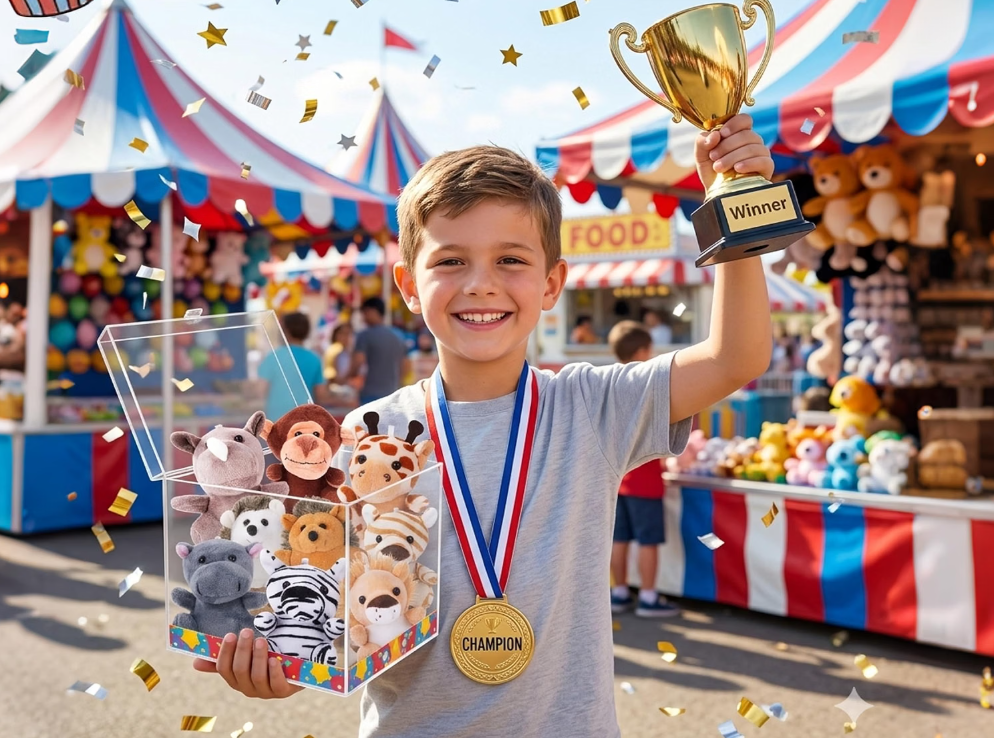
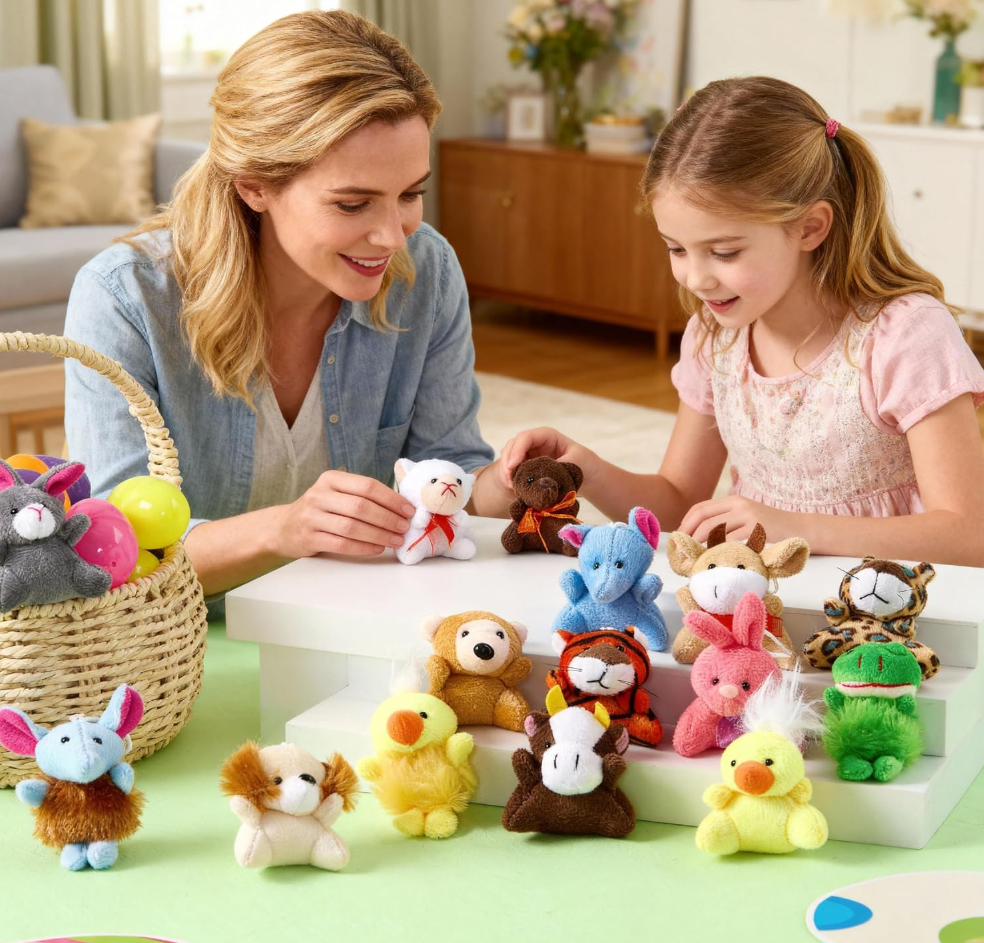
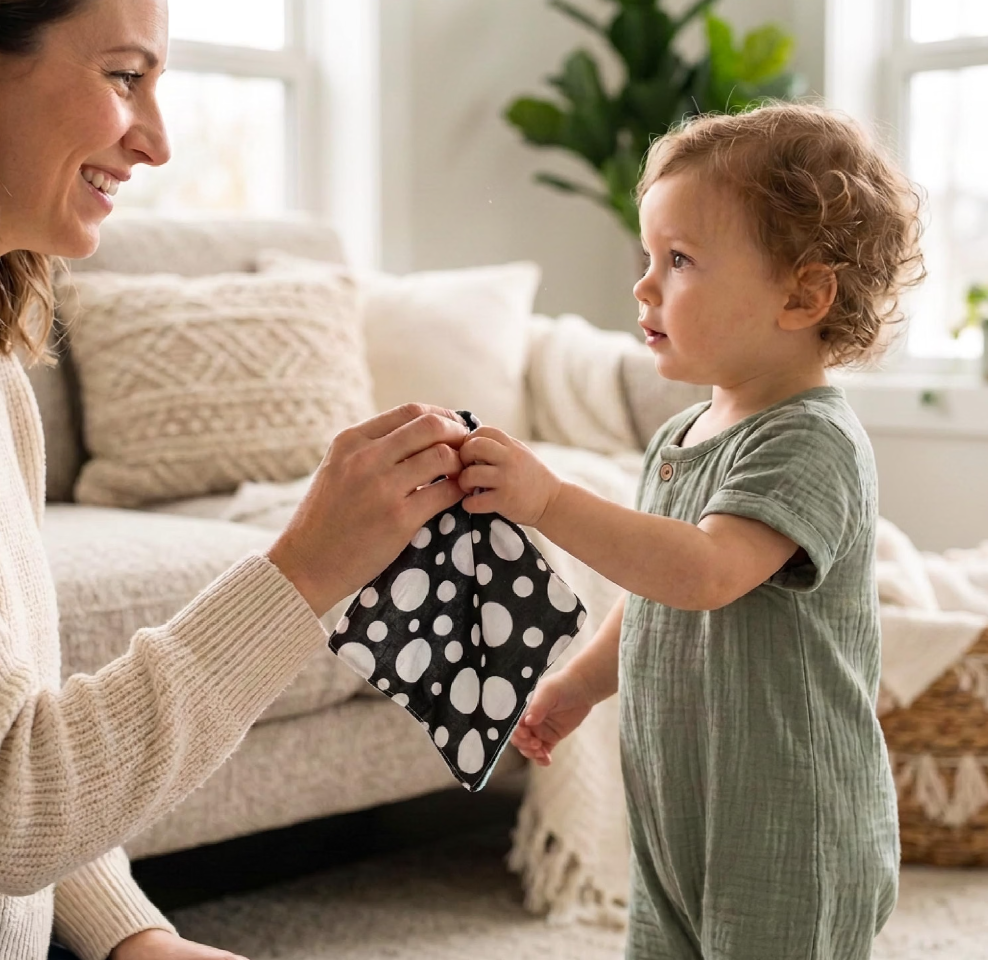
Retailers choosing between squishy plush and classic stuffed animals are really comparing two different customer experiences. Squishy plush toys focus on squeezing, tactile play, softness, and sensory appeal, while traditional stuffed animals remain strong in comfort, gifting, character design, and collectibility. That makes Squishy vs Traditional Plush Toys less about finding one universal winner and more about understanding which format fits the customer, retail channel, and price point. One wants to be squeezed; the other wants a hug. Both have very respectable career plans.
Table of Contents
Squishy vs Traditional Plush Toys: Key Differences
The main difference lies in how customers interact with the product. Squishy plush is designed around touch and compression, so fabric stretch, filling density, and shape recovery matter heavily. Traditional plush toys usually focus more on character silhouette, cuddling, display, and emotional connection. For B2B buyers, these differences affect product design, materials, packaging, quality control, and retail positioning.
Tactile Play vs Traditional Hug Appeal
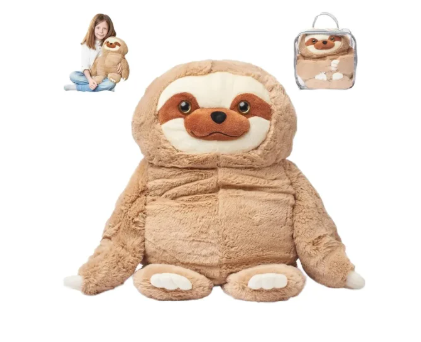
Sensory plush toys are often picked up because customers want to squeeze, press, and feel the product immediately. Traditional soft plush toys usually create value through huggability, recognizable animals, characters, or gift appeal. Both formats rely on softness, but the purpose is different. Squishy plush says, “Press me.” Traditional plush says, “Take me home.”
Different Customers and Buying Reasons
Different consumers may buy the two formats for different reasons. Squishy plush can appeal to shoppers interested in sensory play, tactile satisfaction, novelty, or trend-driven products, while traditional stuffed animals may be chosen for birthdays, comfort, décor, collecting, or emotional gifting. Retailers should start with the buying reason before deciding which plush format deserves more shelf space.
Why Squishy Plush Toys Are Growing
Squishy plush toys attract attention because the product experience begins the moment someone picks one up. Soft fabric, compressible filling, rounded shapes, and satisfying recovery give customers something to do rather than only something to look at. This makes squishy designs particularly suitable for sensory toy ranges, social-media content, and impulse purchases.
Sensory Play and Squeeze Appeal
The strongest squishy products usually have a clear squeeze feel: soft enough to compress, but structured enough to return to shape. For sensory plush toys, customers often judge quality within seconds by pressing the product in their hands. A cute face may bring the first touch, but the squeeze decides whether the customer puts it down.
Social Media and Trend-Driven Demand
Squishy designs can work well in short videos because the product has visible interaction. Compressing, squeezing, unboxing, and watching the plush recover creates easy demonstration content for online stores and social platforms. This does not guarantee popularity, but it gives the product more visual action than a plush simply sitting politely on a shelf.
Why Traditional Plush Toys Still Sell
Traditional plush has one major advantage: customers already understand it. Bears, rabbits, cats, dogs, dinosaurs, mascots, and character plush have long-established positions in gifting and toy retail. While trends change, the basic emotional appeal of a soft stuffed animal remains easy to understand across many markets.
Comfort, Gifting, and Familiar Characters
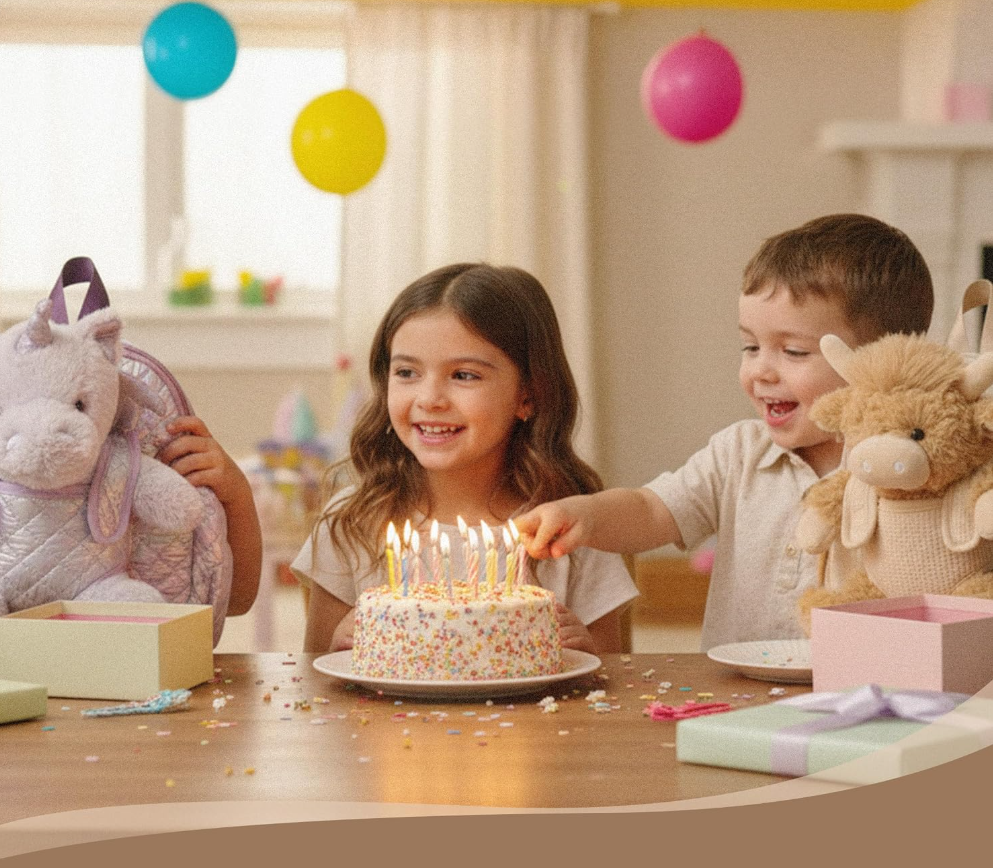
Comfort plush toys work well because the buying motivation is simple. Customers may choose them for birthdays, holidays, newborn gifts, friendship gifts, or just because the character looks lovable. Familiar animals and recognizable characters also reduce the amount of explanation needed. Nobody needs a tutorial on why a soft bunny makes a reasonable gift.
Strong Long-Term Retail Appeal
Traditional plush is often less dependent on one specific trend. A well-designed bear, animal, or original character can remain in a product line for several seasons, especially if the brand develops strong character recognition. This makes classic plush useful for retailers looking for core products rather than only short-term trend items.
Fabric and Filling Differences
The materials used in Squishy vs Traditional Plush Toys can be very different because the desired hand feel is different. Squishy designs may require softer, more flexible outer fabrics and controlled filling, while classic plush can use a wider range of short plush, minky, fleece, or fluffy fabrics depending on the character.
Soft Stretch Fabrics for Squishy Plush
Squishy plush toys often benefit from fabrics with some flexibility because the outer surface needs to move during squeezing without becoming uncomfortable or distorted. Smooth, soft-touch materials can also increase tactile appeal. Buyers should check stretch recovery, seam performance, softness, and durability during sampling. A fabric that looks beautiful but fights back when squeezed has misunderstood the assignment.
Traditional Plush Fabrics and Filling
Traditional stuffed animals can use short plush, minky, fleece, long-pile fabrics, or other textures depending on the visual design. Filling may be firmer around the head or body to maintain shape while still feeling soft enough to hug. Material selection should support the character rather than simply choosing the fluffiest fabric available.
Shape Recovery and Product Feel
Shape recovery is especially important when comparing Squishy vs Traditional Plush Toys because repeated squeezing creates more stress on the product structure. A squishy design that stays permanently flattened after a few presses will quickly lose appeal. Traditional plush also needs good shape stability, but the product is usually handled differently.
What Makes a Good Squishy Plush
A good squishy plush should compress comfortably and recover without major lumps or distortion. Filling distribution, fabric stretch, seam design, and overall shape all contribute to this experience. Buyers should test repeated squeezing during sample review instead of approving the product based only on appearance. A squishy toy should bounce back emotionally and physically.
Huggability and Structure in Traditional Plush
Traditional plush needs enough structure to maintain its character while still feeling comfortable to hold. A bear with an underfilled head may look tired, while an overstuffed body can feel too firm. The goal is balance: recognizable shape, pleasant hand feel, and enough softness for everyday hugging.
Collectibility and Character Design
Both squishy and traditional plush can work in collectible product lines. The difference is how the series is built. Squishy collections may emphasize shape, squeeze experience, mini formats, or cute novelty characters, while traditional collectible plush may focus more heavily on personality, storytelling, character families, and licensed designs.
Mini Squishy Plush and Character Series
Mini squishy plush works well for collection-based retail because smaller sizes can support multiple characters and accessible price points. Brands can develop animals, food characters, moods, or seasonal designs using a shared product structure. One squishy strawberry is cute. Eight different fruits suddenly look like a merchandising plan.
Traditional Plush for Collectible Collections
Traditional collectible plush often benefits from stronger character identity. Different personalities, expressions, colors, or outfits can encourage customers to build a series while keeping the same overall design language. Retailers should aim for variety without making every SKU feel unrelated.
Retail Price, Packaging, and Shelf Appeal
Price and packaging can influence which format performs better in a particular store. Squishy toys may work well as accessible sensory or impulse products, while larger traditional plush can support higher gift-oriented price points. Retailers should consider not only factory cost but also packaging volume, shelf space, and perceived value.
Accessible Price Points for Squishy Toys
Smaller squishy plush toys can work well at lower entry prices, especially when designs are simple and packaging remains compact. This makes them suitable for checkout displays, online add-ons, sensory toy sections, and trend-testing programs. An affordable little character is easier to invite into the basket than a giant bear demanding financial commitment.
Gift-Ready Packaging for Traditional Plush
Traditional plush may rely less on packaging when the toy itself is visible and huggable, but premium or gift-focused products can benefit from hangtags, belly bands, gift boxes, or display packaging. The presentation should support the product without hiding the softness. Customers usually want to see the plush before adopting it.
Custom Plush Options for Private Label Brands
Private label brands do not necessarily need to choose only one format. A successful character can be developed as both squishy and traditional plush, allowing the brand to test different customer groups and price points. Custom plush toys wholesale projects become more flexible when character identity is strong enough to survive different materials and structures.
Turn One Character into Squishy and Traditional Versions
A rounded character may work particularly well across both formats. The squishy version can emphasize squeeze feel and tactile play, while the traditional version can focus on huggability and character details. This gives retailers two products with related branding but different use cases. Same character, different personality at work.
Custom Fabrics, Embroidery, and Packaging
Private label plush toys can be customized through fabric, colors, embroidery, filling, woven labels, hangtags, care labels, and retail packaging. Brands should decide early whether the product is sensory-led, comfort-led, collectible, or gift-focused because these choices influence manufacturing decisions. Customization works best when every detail supports the positioning.
MOQ, Cost, and Quality Tips
Cost comparisons between Squishy vs Traditional Plush Toys should include more than fabric and filling. Shape complexity, stretch materials, embroidery, accessories, packaging, sampling, and order volume all influence the final quotation. Buyers should compare suppliers using the same specification to avoid misleading unit-price comparisons.
How Filling and Fabric Affect Cost
Squishy plush may need specific fabrics and carefully controlled filling to achieve the desired tactile experience, while traditional plush cost can vary significantly with pile length, embroidery, accessories, and character complexity. The cheapest material is not automatically the best choice if it damages the product experience. Saving five cents is less exciting when the plush feels five dollars cheaper.
Low MOQ for Testing New Plush Trends
Low MOQ trial orders can be useful for trend-driven squishy products or new character concepts. Brands can test one or two designs before expanding successful items into additional colors or sizes. Using available fabrics and simple packaging can sometimes make smaller orders more practical. Testing first is generally better than letting thousands of experimental squishy ducks quietly occupy the warehouse.
Stitching, Shape, and Recovery Checks
Quality control should include seam strength, embroidery, filling distribution, fabric stretch, measurements, shape recovery, and overall appearance. Squishy toys need repeated compression checks, while traditional plush should be reviewed for huggability and character consistency. The approved sample should remain the reference throughout bulk production. Hope remains charming but ineffective as a QC system.
Which Plush Format Should Retailers Choose?
The best format depends on the retailer’s customer, sales channel, price point, and product strategy. Sensory-focused stores or trend-led online sellers may find squishy plush especially useful, while gift shops and traditional toy retailers may still rely heavily on classic stuffed animals. In many cases, the strongest assortment includes both.
Match Products with Customer and Retail Channel
Squishy plush fits well where tactile play, novelty, sensory appeal, or social-media demonstration matters. Traditional plush performs strongly when customers value gifting, comfort, recognizable characters, or larger huggable products. Retailers should ask what customers are buying the plush for before deciding which trend has more potential.
Build a Mix of Squishy and Traditional Plush
A balanced collection might use mini squishy plush for entry price points and sensory appeal, medium traditional plush as core products, and larger huggable designs for premium gifting. Matching characters across formats can also strengthen brand recognition and encourage cross-selling. One format does not need to defeat the other; the shelf is perfectly capable of supporting multiple personalities.
Conclusion: Squishy vs Traditional Plush Toys Depends on the Retail Strategy
Squishy vs Traditional Plush Toys is not really a battle with one permanent winner. Squishy plush offers strong sensory appeal, squeeze interaction, social-media-friendly demonstration, and trend-driven potential. Traditional plush remains powerful for comfort, gifting, characters, collectibility, and longer-term retail programs. For retailers and private label brands, the smartest strategy is to understand where each format performs best and use size, price, materials, packaging, and character design accordingly. One gets squeezed, one gets hugged, and both can make very respectable sales.
FAQ About Squishy vs Traditional Plush Toys
When comparing Squishy vs Traditional Plush Toys, B2B buyers should consider target customer, sensory appeal, gift value, fabric, filling, shape recovery, character design, retail price, MOQ, packaging, and sales channel. Squishy plush toys may suit sensory and trend-driven ranges, while traditional stuffed animals remain strong for gifting, comfort, and character-led collections. The best choice is not automatically the newest trend—it is the product that has the clearest reason to be on your customer’s shelf.