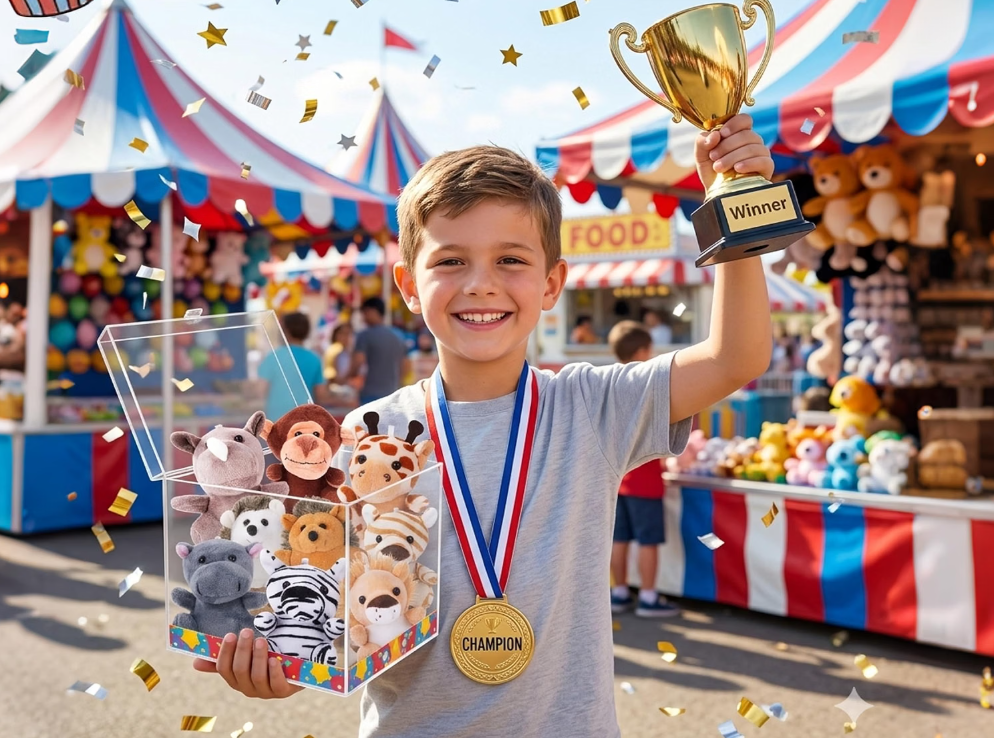
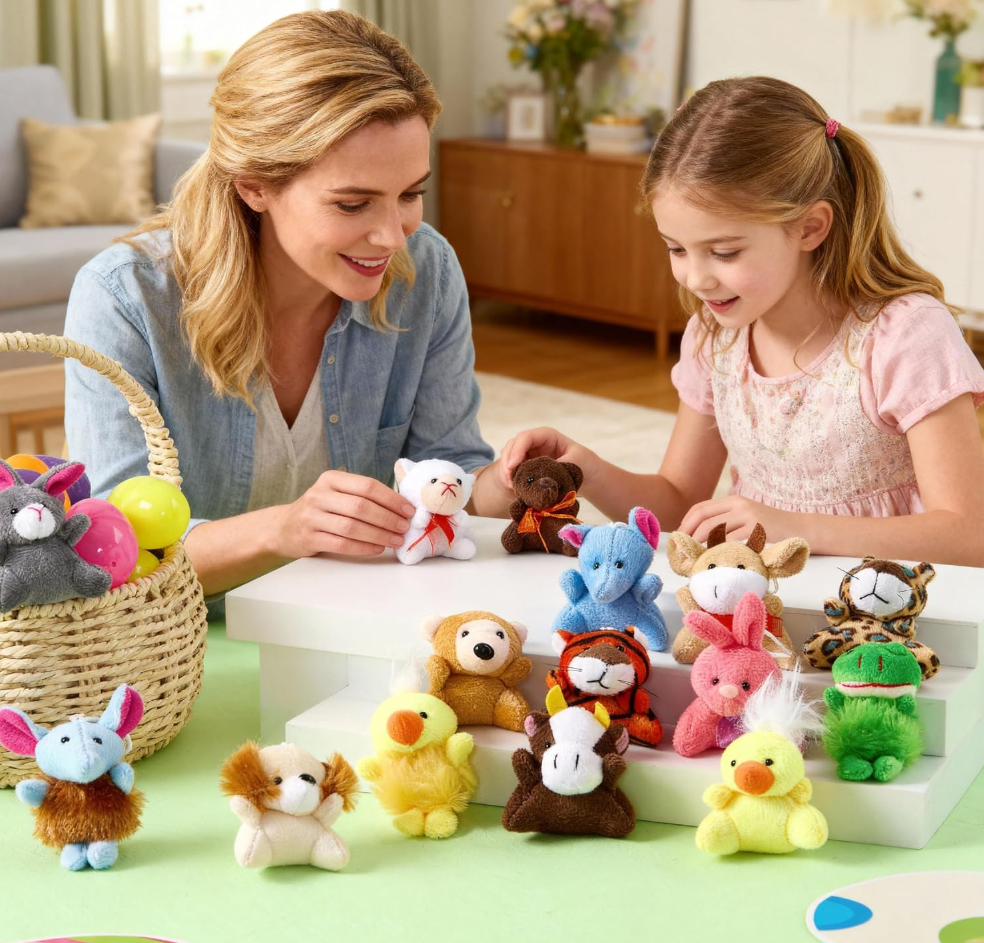
Blind Box Plush Toys turn a simple soft toy into a discovery experience. Instead of seeing exactly which character they are buying, customers choose from a collection that may include common designs, rare variations, and secret characters. For toy retailers, gift shops, importers, and private label brands, this format can create more than a one-time sale because the surprise encourages customers to explore the series again. The box hides the character, but the retail strategy should be very easy to understand.
Table of Contents
Why Blind Box Plush Toys Are Growing
The appeal of Blind Box Plush Toys comes from the combination of surprise, collecting, character design, and repeat purchase potential. Customers are not only buying a mini plush toy; they are also participating in the process of discovering which design is inside. This makes the product feel more interactive without requiring electronics or complicated play features. Opening the box becomes part of the product experience.
Surprise Appeal and Collecting
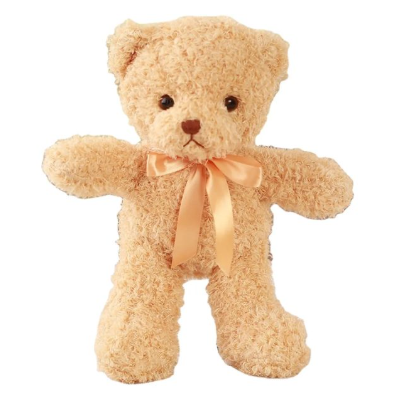
Mystery makes a collectible series more exciting because the customer does not know exactly which character will appear. A strong range may include several core designs plus one or two rarer options, giving shoppers a reason to compare, trade, or buy again. The surprise works best when every character is attractive enough that customers do not feel disappointed by the “wrong” one. Mystery should create excitement, not regret.
Why Customers Come Back for More
Repeat purchases often happen when customers want to complete a collection, find a favorite character, or discover a secret design. This is why collectible plush toys can create stronger purchase frequency than one isolated plush product. The first box creates curiosity; the next one gives customers another chance to find what they are missing. One purchase answers one question and usually creates another.
Build a Strong Character Series
A successful blind box range needs more than several random cute animals. The characters should share a consistent visual language while still having enough personality to feel different from one another. Strong collectible plush series often use similar proportions, fabrics, facial style, and packaging while changing expressions, colors, accessories, or themes. The collection should feel like a cast, not a crowded waiting room.
Different Personalities, One Visual World
Each character should have a clear personality or visual role within the collection. One may look sleepy, another cheerful, another shy, and another slightly suspicious of everyone. These differences make the series easier to remember while the shared body shape and design style keep everything connected. Different enough to collect, similar enough to belong together.
Keep Characters Easy to Recognize
Recognition matters because blind box characters are often shown in small packaging illustrations, collector cards, or social media posts. Simple silhouettes, expressive faces, clear colors, and a few distinctive features usually work better than overly complicated designs. A customer should be able to recognize the character without needing to zoom in like a forensic investigator.
Secret Characters and Rarity
Rarity can add another layer of excitement to Blind Box Plush Toys when it is planned carefully. Common characters make up the main collection, while rare or hidden designs give customers something extra to search for. This structure can support trading, discussion, and repeat purchases, but the rare designs should feel genuinely special rather than randomly different.
Common, Rare, and Hidden Designs
A collectible plush series may include several standard characters, one or two rarer colorways, and a secret design. The rare character could use a special fabric, unique color, different expression, or exclusive accessory while keeping the same overall character language. The goal is to make rarity meaningful. Changing one tiny eyebrow and calling it “ultra rare” may be optimistic.
How Rarity Supports Repeat Purchases
Rarity can encourage customers to buy again because there is still something new to discover after the first purchase. It also gives collectors a reason to talk about the series, compare characters, and look for missing designs. However, rarity should support a strong collection rather than compensate for weak characters. A secret plush is exciting only if people actually want to find it.
Mini Plush Toys Work Well for Blind Boxes
Mini plush toys are especially suitable for blind box formats because they are compact, easier to package, and more practical to collect in multiples. Smaller sizes can also help keep retail prices more accessible and reduce shelf space compared with large stuffed toys. For retailers, that means more characters can be displayed in a relatively small area.
Small Size and Accessible Price Points
Compact plush formats can lower the barrier to repeat purchases because customers may feel more comfortable buying several small products over time. Mini plush toys are also easier to display on desks, shelves, bags, or small collectible spaces at home. Small size supports collecting without turning the customer’s room into a warehouse.
Plush Bag Charms and Pocket-Sized Formats
Blind box plush can also be developed as bag charms, keychains, or clip-on characters. These formats add a practical lifestyle angle because customers can carry the character on backpacks, handbags, or luggage. Plush bag charms also help the product move beyond the toy aisle into gift, fashion, and lifestyle retail. A tiny plush with a clip gets to leave the house more often.
Packaging That Creates the Mystery
Packaging is a major part of the blind box experience because it needs to hide the character while still showing enough information to make the customer curious. Good packaging can explain the series, rarity structure, brand identity, and possible characters without revealing the exact product inside. Blind Box Plush Toys depend on packaging not only for protection, but also for storytelling.
Blind Boxes, Character Cards, and Series Numbers
Character cards and series numbers can make the collection easier to understand and more satisfying to complete. A card might show the character name, personality, rarity, or place within the series. This helps turn an individual mini plush into part of a larger collectible system. Collecting becomes much easier when customers know what they are collecting.
Display Packaging for Retail Shelves
Retail display boxes can organize multiple blind boxes together and make the full collection more visible at the point of sale. The outer display should communicate the theme, character lineup, and brand clearly while remaining compact enough for retailers. Good packaging creates curiosity without creating clutter. The mystery should be inside the box, not on the shelf label.
Quality Matters in Collectible Plush
Collectible products are often compared side by side, which makes quality consistency especially important. Fabric softness, filling, embroidery, stitching, and overall shape need to remain stable across every character in the series. One weak design can affect how customers feel about the entire collection. Collectors notice details with the enthusiasm of unpaid quality inspectors.
Fabric, Filling, and Embroidery Quality
Short plush, minky-style fabrics, clean embroidery, and balanced filling can help mini plush toys feel more premium. Buyers should check hand feel, seam strength, facial alignment, stuffing distribution, and shape recovery during sampling. On a small character, minor defects are surprisingly visible. Tiny plush leaves very little room for lazy stitching.
Consistency Across Every Character
Even when characters use different colors or accessories, the production quality should feel consistent. One character should not be much softer, flatter, or more distorted than the others. Approved samples and clear QC standards help keep a collectible plush series visually connected. Secret characters can be surprising; random quality differences should not be.
How Brands Can Encourage Repeat Purchases
Repeat purchase appeal should be planned into the collection from the beginning. New characters, seasonal releases, rare designs, different sizes, or follow-up series can all give customers reasons to return. The most successful Blind Box Plush Toys create anticipation instead of using every idea in the first launch.
Launch New Characters and Series
A strong Series 1 should leave room for Series 2, new character families, or related product formats. Brands can introduce new characters gradually to keep the collection fresh without confusing customers. The goal is to create a roadmap rather than one crowded launch. Leave a few good ideas for later; future marketing teams will thank you.
Seasonal and Limited-Edition Releases
Seasonal colorways, holiday themes, and limited editions can refresh a collectible range while keeping the core character identity familiar. Christmas, Halloween, Valentine’s Day, summer, or anniversary editions can all create temporary excitement. Limited products work best when they feel connected to the main collection rather than looking like unrelated leftovers wearing festive hats.
Custom Blind Box Plush Toys for Brands
Private label brands can use blind box plush to build original character worlds rather than compete only with generic stuffed animals. Custom plush toys wholesale projects can include unique characters, embroidery, fabrics, labels, packaging, rarity structure, and collector cards. The strongest programs treat the collection as a system, not simply several plush toys placed in boxes.
Original Characters and Private Label Designs
Original characters give brands more control over future releases, story development, and product extensions. A strong character should be simple enough to work across mini plush, bag charms, larger plush, or future series. This creates more long-term value than designing a character that only works in one exact format. Good characters should have somewhere to go next.
Custom Labels, Cards, and Packaging
Private label plush toys can include woven labels, care labels, embroidered logos, collector cards, blind boxes, display cartons, and series-specific graphics. These elements help customers recognize the brand and understand the collection. Packaging should support the mystery without hiding the brand identity. The character may be secret; the brand should not be.
MOQ, Cost, and Collection Planning
Blind box programs can become complicated quickly because several characters, colors, packaging designs, and rarity levels may be involved. MOQ, fabric minimums, embroidery, sampling, packaging, and production planning all affect cost. Buyers should keep the first collection focused and use shared materials where possible to control complexity.
Low MOQ for Testing a New Series
Low MOQ can help brands test whether a collectible plush concept has real demand before expanding the range. Starting with a smaller character lineup or using shared body structures may make trial production easier. Successful designs can then grow into larger series. Testing six good characters is often wiser than immediately producing twenty-four mysterious warehouse residents.
Share Fabrics and Structures to Control Cost
Using shared fabrics, body patterns, embroidery techniques, and packaging dimensions across several characters can help control production cost. Variety can still come from color, ears, expressions, or small accessories. This keeps the collection interesting while reducing unnecessary factory complexity. Creativity is good; twenty completely different production methods are less charming.
Plan Series 2 Before Series 1 Launches
Brands should think about future characters and product extensions before the first series reaches the market. This does not mean producing everything immediately; it simply means leaving room for logical growth. Future mini plush, bag charms, seasonal editions, or new characters can then be introduced more smoothly. Series 1 should open the story, not finish the entire book.
How Retailers Can Build a Blind Box Plush Range
Retailers can build a stronger assortment by combining core character series with a limited number of secret or seasonal designs. Blind Box Plush Toys can also be paired with visible mini plush, bag charms, or larger character products to create several price points around the same IP or theme. A coordinated range helps customers understand the collection more quickly.
Mix Core Characters with Secret Designs
Core characters provide familiarity, while secret designs create excitement. Retailers should make sure the standard lineup is strong enough to sell on its own instead of relying entirely on rare characters. Customers should feel pleased with most possible outcomes. A blind box should create suspense, not emotional risk management.
Match Products with Toy, Gift, and Lifestyle Channels
Different retail channels may need different blind box plush formats. Toy stores may emphasize collectible series, gift shops can focus on cute mini plush, and lifestyle retailers may prefer bag charms or desk-friendly characters. Retailers should match product format, price point, and packaging to the customer rather than using one approach everywhere.
Conclusion: Blind Box Plush Toys Turn Surprise into Repeat Purchase Potential
Blind Box Plush Toys can create strong retail potential when surprise is supported by memorable characters, clear rarity, good packaging, consistent quality, and thoughtful collection planning. Mini plush toys, secret characters, plush bag charms, collector cards, and future series all help extend the product beyond one purchase. For brands and retailers, the real lesson from the collectible craze is simple: mystery may bring customers to the first box, but strong characters and good product quality are what make them want the next one.
FAQ About Blind Box Plush Toys
Blind Box Plush Toys are collectible plush products sold in mystery packaging, often as part of a character series with common, rare, or secret designs. For B2B buyers, important sourcing points include character design, rarity structure, fabric quality, embroidery, packaging, MOQ, series planning, and production consistency. The best blind box plush programs do not rely only on surprise; they create a collection customers actually want to complete.