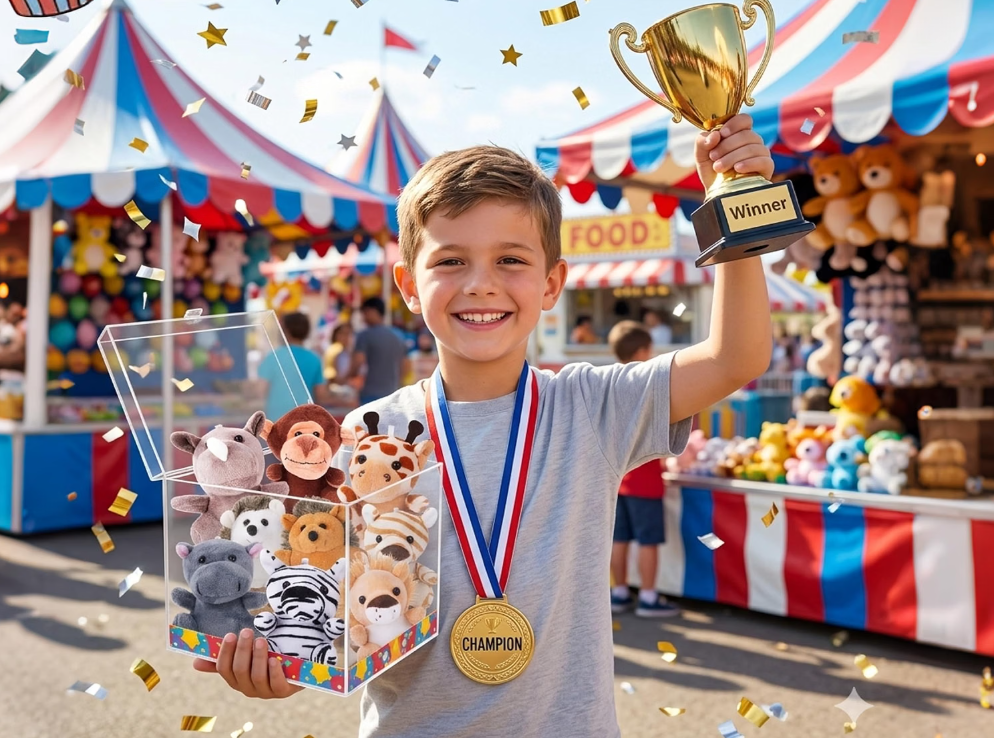
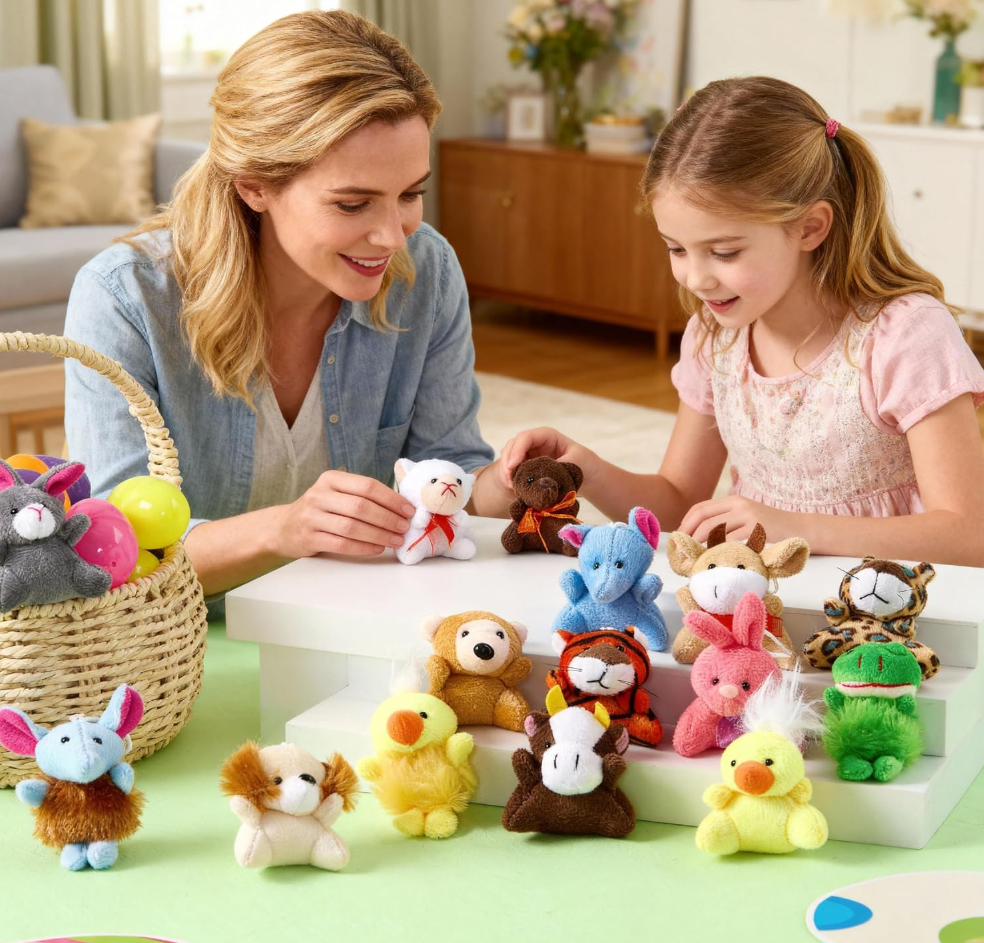
Why do some plush toys appear in countless social media photos while others remain quietly on store shelves? The difference often begins with design. Instagrammable Plush Toys combine memorable characters, attractive colors, expressive faces, and thoughtful details that make people want to photograph and share them. From aesthetic stuffed animals and mini plush bag charms to collectible plush characters, visual appeal can help toys become part of everyday lifestyle content. For toy retailers, importers, and private label brands, understanding these design features can support better product development and marketing decisions. After all, a plush toy does not need its own social media account to become surprisingly popular online.
Table of Contents
Why Instagrammable Plush Toys Attract Social Media Attention
Visual appeal plays an important role in how customers discover and interact with toys online. Instagrammable Plush Toys are designed with recognizable shapes, attractive colors, and expressive details that can stand out in photographs and short videos. Unlike products that require lengthy explanations, a well-designed plush character can communicate its personality almost immediately. For retailers and toy brands, this creates opportunities for product discovery, customer-generated content, and stronger visual branding. However, attractive design should complement product quality rather than replace it. A cute face may attract attention, but customers still expect a plush toy that feels as good as it looks.
How Visual Appeal Influences Toy Discovery
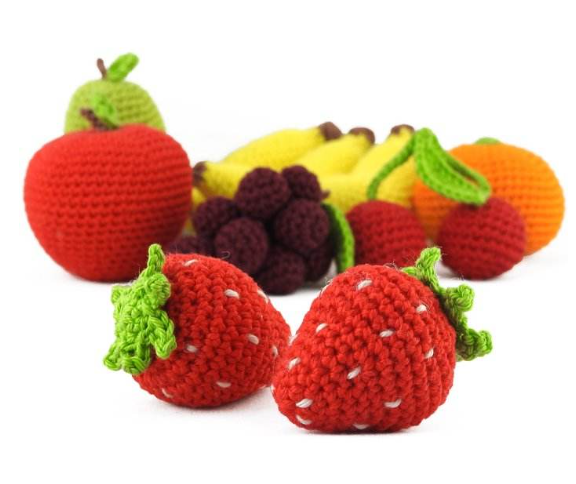
Social media users often encounter products while scrolling through photographs, short videos, and lifestyle content. A distinctive plush character may catch their attention because of its unusual expression, coordinated colors, or recognizable silhouette. This makes photogenic plush toys particularly suitable for visual product discovery. For brands developing plush toys for social media, the design should remain recognizable even when displayed in a small image. Clear shapes and memorable details are often more effective than complicated decoration. If viewers need to zoom in five times to understand the character, the design may be trying a little too hard.
Why Customers Love Sharing Cute Plush Toys
Customers share cute plush toys for many reasons, including personal expression, emotional connection, gifting, and the enjoyment of showing something adorable. A plush character may appear in a bedroom photograph, travel picture, desk setup, or birthday post. These everyday situations give Instagrammable Plush Toys opportunities to become part of customer-created content. For brands, the important lesson is to design products people genuinely enjoy keeping nearby. A charming stuffed animal can become a favorite photography companion, even if its main contribution to the picture is sitting there looking extremely pleased with itself.
Character Design: Creating Plush Toys People Remember
Memorable character design begins with a clear personality and a recognizable visual identity. Cute plush toy designs often use simple shapes, balanced proportions, and expressive facial details to communicate emotions. For toy brands, these features can help individual characters stand out while maintaining consistency across a collection. Original character development also creates opportunities for future product variations, accessories, and themed releases. The goal is not to make every plush character look identical or unnecessarily complicated. A strong design should be recognizable without requiring customers to study a detailed character biography.
Cute Facial Expressions and Emotional Appeal
Facial expressions can transform a simple stuffed animal into a character with personality. Small changes in eye position, mouth shape, eyebrow angle, or cheek embroidery can make a plush appear sleepy, cheerful, curious, or slightly grumpy. For aesthetic plush toys, these subtle details can create emotional connections that encourage customers to photograph and share their favorites. During custom plush toy development, embroidery placement should be reviewed carefully because small production differences can change the intended expression. Two embroidered eyes may look simple, but apparently they carry an impressive amount of emotional responsibility.
Unique Character Personalities and Recognizable Designs
Distinctive characters often have one or two memorable features, such as oversized ears, unusually short legs, a rounded body, or a funny facial expression. These details help customers recognize a character across photographs, packaging, and different product sizes. For custom plush character design, brands should balance originality with manufacturing feasibility. A character can be creative without requiring dozens of difficult components. The strongest designs often communicate personality through a few carefully chosen features. A tiny bear with permanently worried eyebrows may be more memorable than a complicated character wearing seventeen accessories.
Colors That Make Plush Toys More Photogenic
Color influences how a plush toy looks in photographs, how customers perceive its personality, and how well it fits different lifestyle settings. Instagrammable Plush Toys often use coordinated color palettes that make characters visually appealing without overwhelming the design. For brands, color selection should consider target customers, retail positioning, photography conditions, and material availability. A beautiful color in a digital illustration may appear different when reproduced in fabric. That is why physical material samples and real photographs are important before final approval. Screens are wonderful, but they have never been particularly good at predicting exactly how fluffy fabric will look.
Pastel Colors, Soft Neutrals, and Aesthetic Color Palettes
Pastel pink, lavender, cream, beige, sage green, and other soft colors can create a calm and coordinated appearance for plush toys. These palettes may work particularly well for bedroom decor, gift products, and lifestyle-oriented character collections. For aesthetic stuffed animals, consistent color relationships can help a collection look attractive when displayed together. However, brands should avoid choosing colors solely because they appear fashionable online. The final palette should reflect the character’s identity and intended audience. A sleepy lavender bunny may look charming, but not every character needs to live inside the same pastel-colored universe.
Bold Colors and Contrasting Details That Stand Out
Bright colors and carefully placed contrasts can make plush characters more noticeable in crowded social media feeds. A colorful character with distinctive ears, contrasting embroidery, or a recognizable accessory may be easier to identify in photographs. For cute plush toy designs, the key is using contrast intentionally rather than adding as many colors as possible. Brands should also consider whether fabric colors remain consistent under different lighting conditions. A bold character can be memorable, but a plush toy that looks like every color in the factory attended the same meeting may need a little design editing.
Shapes, Sizes, and Proportions That Encourage Sharing
Shape and proportion influence both a plush toy’s personality and how easily it fits into photographs. Rounded bodies, expressive heads, compact sizes, and recognizable silhouettes can make characters visually appealing from different angles. For Instagrammable Plush Toys, the design should work in close-up photographs as well as wider lifestyle scenes. Brands should consider how the toy looks when sitting, standing, hanging from a bag, or being held. A charming front-view illustration is a good beginning, but the finished plush should ideally remain recognizable when photographed from the side.
Oversized Heads, Rounded Shapes, and Cute Proportions
Oversized heads, short limbs, and rounded body shapes are common design approaches for creating cute plush characters. These proportions can emphasize facial expressions and give characters a friendly, approachable appearance. For custom stuffed animal design, the challenge is balancing visual appeal with physical stability, stuffing distribution, and construction requirements. A large head may look adorable in a drawing but cause the finished plush to fall forward repeatedly. Unless the character’s official personality is “always taking a nap,” the pattern may need adjustment.
Mini Plush Toys, Bag Charms, and Portable Characters
Mini plush toys and plush bag charms can become part of everyday lifestyle content because customers can carry them on bags, display them on desks, or include them in travel photographs. Their compact size creates opportunities for portable plush characters that appear naturally in different settings. For retailers, these products may also support gifting, accessories, and collectible product ranges. However, smaller designs require careful attention to embroidery, attachments, and material construction. A miniature character should retain its personality without becoming difficult to manufacture. Small plush toys may be tiny, but their production details are not necessarily small problems.
Fabric Textures and Details That Improve Visual Appeal
Fabric texture can influence how a plush toy looks in photographs and how customers experience it physically. Short-pile plush, fluffy fabrics, textured materials, and carefully selected embroidery can give characters different visual personalities. For Instagrammable Plush Toys, material selection should support both appearance and practical product quality. Brands need to consider fabric consistency, durability, shedding, cleaning requirements, and suitability for the intended age group. A wonderfully fluffy character may photograph beautifully, but excessive loose fibers are unlikely to become anyone’s favorite product feature.
Soft Fabrics, Fluffy Textures, and Sensory Materials
Different fabrics create different visual and tactile experiences. Short-pile plush can provide a smooth appearance that highlights embroidery details, while longer-pile materials may create a fluffy, cozy character. Textured fabrics can also add depth to photographs and make individual characters more distinctive. For sensory plush toys, material choices should be appropriate for the intended play experience and supported by relevant safety assessments. Brands should evaluate how fabrics perform after handling and cleaning, not only when they are brand new. A plush should remain charming after everyday use, not immediately resemble a very tired carpet.
Embroidery, Accessories, and Small Design Details
Embroidery, fabric appliqués, bows, scarves, and other decorative elements can help create recognizable plush characters. Small details are especially useful when they reinforce personality rather than simply adding complexity. For custom plush toy design, brands should evaluate whether accessories are securely attached, practical to manufacture, and suitable for the intended age group. Embroidery may be preferable to separate hard components for certain products, but the complete design still requires appropriate safety review. A tiny scarf can make a character look sophisticated; an accessory that falls off during normal use is considerably less fashionable.
How Plush Toys Become Part of Lifestyle Content
Plush toys increasingly appear in lifestyle photographs as decorative objects, gifts, collectibles, and personal accessories. Their soft appearance and expressive characters can make them suitable for different everyday settings. Instagrammable Plush Toys may be photographed on bookshelves, office desks, beds, handbags, or beside other personal belongings. For toy brands, understanding these contexts can help guide product dimensions, color choices, and packaging design. The objective is to create characters that fit naturally into customers’ lives. A plush toy does not need to be the center of every photograph, although some characters clearly believe they should be.
Plush Toys in Desk Setups, Room Decor, and Everyday Photos
Desk setups, bedroom shelves, reading corners, and travel photographs provide natural opportunities for plush characters to appear in social media content. Compact designs and coordinated colors may help toys fit into these environments without overwhelming the scene. For aesthetic plush toys, brands can consider how a character looks beside books, stationery, furniture, and other everyday objects. These settings can also inspire product photography and marketing materials. A small plush sitting beside a laptop may not improve anyone’s productivity, but it can certainly make the workspace look friendlier.
Gift-Ready Plush Toys and Photo-Friendly Packaging
Packaging can influence how customers experience and photograph a plush toy before they begin using it. Gift-ready boxes, attractive hangtags, coordinated character cards, and simple opening structures can make the presentation feel more complete. For custom plush toy packaging, brands should balance visual appeal with protection, material use, shipping efficiency, and cost. A thoughtful unboxing experience may encourage customers to share photographs, but elaborate packaging is not always necessary. Sometimes a beautiful character and a well-designed tag are enough. The plush should remain the star of the show, not become a supporting actor in its own box.
Collectible Plush Toys and Social Media Sharing
Collectible character series can create opportunities for repeated social media engagement because customers may enjoy displaying, comparing, and sharing different designs. Instagrammable Plush Toys can support this behavior when characters have consistent visual identities and enough variety to make collecting interesting. For retailers, coordinated collections may also provide opportunities for themed displays, seasonal promotions, and repeat purchases. However, successful collecting depends on genuine customer interest rather than simply producing numerous variations. Twelve characters with different colors are not automatically twelve characters with distinct personalities.
Designing Character Collections with a Consistent Style
A recognizable collectible plush series usually shares common design elements such as proportions, facial style, fabric texture, or packaging artwork. Individual characters can then introduce different expressions, colors, or accessories while remaining part of the same collection. For collectible plush toy design, this balance between consistency and variety helps customers recognize the brand and appreciate each character. Manufacturers also need clear specifications to maintain consistent proportions and embroidery across different designs. A character family should look related, not like twelve unrelated toys accidentally arrived at the same birthday party.
Seasonal Characters, Matching Sets, and Limited Editions
Seasonal themes and coordinated character sets can provide new design opportunities for plush toy collections. Holiday accessories, matching outfits, special color variations, and limited-edition artwork may encourage customers to photograph and compare different releases. For private label collectible plush toys, these variations should be planned around actual demand, production feasibility, and inventory requirements. Limited-edition claims must also be accurate rather than artificially creating scarcity. A winter-themed plush wearing a tiny scarf can be charming, but the product still needs a reason to be desirable after the holiday decorations disappear.
How to Design Plush Toys for Instagram and TikTok
Designing plush toys for visual platforms requires understanding how products appear in photographs and short videos. Instagrammable Plush Toys should have recognizable features, attractive textures, and proportions that remain appealing under ordinary lighting. Brands can test characters in different settings before approving production, including close-up photographs, lifestyle scenes, and short product demonstrations. The goal is not to design exclusively for social media algorithms but to create products that look appealing in real life and translate well to digital content. A good plush character should not need professional lighting and three filters to look adorable.
Creating Photo-Friendly Characters and Visual Storytelling
Photo-friendly plush characters often have clear expressions, distinctive silhouettes, and design features that support simple visual storytelling. A sleepy character might appear beside a bedtime book, while an adventurous mini plush could be photographed during travel. For plush toy social media marketing, these scenarios can help communicate personality without lengthy explanations. Brands should consider how the character looks in portrait photographs, close-ups, and wider scenes. Strong character design gives customers room to create their own stories. After all, a plush rabbit does not need a written script to look deeply concerned about an empty coffee cup.
Testing Plush Toy Designs with Photos and Short Videos
Before approving a plush design, brands can photograph physical samples using an ordinary smartphone under natural and indoor lighting. Testing should include front, side, and close-up views, as well as common social media formats such as square images, vertical photographs, and short videos. For photogenic stuffed animals, these tests can reveal whether facial expressions remain clear, fabric colors photograph accurately, and important details are visible. Comparing several samples can also help identify inconsistencies. If the character looks charming only from one very specific angle, the design may need another round of adjustments.
Custom Instagrammable Plush Toys for Private Label Brands
For private label brands, developing Instagrammable Plush Toys involves combining original character design with practical manufacturing decisions. Attractive artwork must be translated into patterns, fabric specifications, embroidery files, stuffing requirements, and quality standards. Brands should also consider the intended retail channel, target audience, product pricing, and future collection opportunities. A successful design should be visually distinctive while remaining safe and commercially feasible. The goal is not simply to create a beautiful sample but to reproduce that appearance consistently across production. A character that changes expression between batches may be entertaining, but it is not ideal for brand consistency.
Developing Original Plush Characters for Your Brand
Original character development begins with a clear concept, target customer, and recognizable design direction. Brands can create character sketches, define personality traits, select color palettes, and identify important visual features before requesting samples. For custom plush toy manufacturing, detailed artwork and specifications help suppliers understand the intended result. Intellectual property considerations are also important, particularly when a design resembles an existing character or recognizable brand. Creating an original character may require more planning than copying a popular design, but it provides a stronger foundation for long-term brand development.
Choosing Fabrics, Colors, Embroidery, and Accessories
Material selection directly affects the appearance, cost, and consistency of custom plush toys. Brands should review fabric swatches, color references, embroidery samples, and accessory construction before confirming production specifications. For private label plush toys, physical samples are especially valuable because digital artwork cannot fully communicate fabric texture or stuffing behavior. Buyers should also consider material availability and whether selected components can be sourced consistently for repeat orders. A beautiful shade of lavender is useful only if the factory can reproduce it when the next order arrives.
Balancing Creative Design, Safety, and Manufacturing Feasibility
Creative design must be balanced with construction quality, product safety, and manufacturing capabilities. Complex shapes, small accessories, delicate embroidery, and unusual materials may increase sampling time, production costs, or quality-control challenges. For OEM/ODM plush toy development, brands should review the intended age group, attachment security, fabric performance, and applicable market requirements early in the process. Relevant US and European toy safety obligations may include ASTM F963, CPSIA, and EN71 requirements, depending on the product and market. A beautiful plush design is a good starting point, but a safe, durable, and consistently manufactured product is what makes the idea commercially valuable.
Wholesale Sourcing and Manufacturing Tips for Plush Toy Brands
Sourcing Instagrammable Plush Toys requires more than finding a manufacturer that can produce something cute. Retailers and private label brands should evaluate sampling capabilities, material options, embroidery quality, production consistency, communication, and understanding of the intended market. For custom plush toy wholesale projects, the supplier must be able to translate design requirements into repeatable production specifications. Buyers should also review packaging, quality-control procedures, and realistic delivery schedules. A supplier who promises that every design is easy to manufacture may sound reassuring, but careful technical questions usually provide more useful answers.
Choosing the Right Custom Plush Toy Manufacturer
A suitable custom plush toy manufacturer should have relevant experience with the product’s construction, materials, and required quality level. Buyers can evaluate previous samples, embroidery precision, pattern development, fabric options, and the supplier’s ability to communicate technical limitations. For original character projects, consistency between approved samples and bulk production is particularly important. Brands should also clarify responsibilities for safety testing, inspections, and production documentation. The right partner does more than say a design is possible; they help explain how to make it practical, reliable, and commercially sensible.
MOQ, Sampling, and Cost Considerations
Minimum order quantities for custom plush toys wholesale depend on factors such as fabric availability, character complexity, embroidery requirements, accessories, and packaging. Some projects may use approximately 500 pieces as an initial planning reference, but actual MOQs vary by supplier and design. Brands should confirm whether quantities apply per character, color, or complete assortment. Sampling costs and revisions should also be included in the development budget. A tiny plush may look inexpensive, but custom fabrics, detailed embroidery, and specialized packaging can quickly remind everyone that small products still have real production costs.
Quality Control and Consistent Character Appearance
Quality control is essential for plush toy collections because small production differences can change a character’s appearance. Buyers should evaluate embroidery placement, fabric color, stuffing consistency, dimensions, seam strength, and accessory attachment. For Instagrammable Plush Toys, visual consistency matters because customers may compare products with photographs, advertisements, and other characters in the collection. Approved samples and clear inspection standards can help reduce unexpected variations. A plush character may have a funny personality, but its facial expression should not change dramatically every time the production line starts.
Conclusion: Great Instagrammable Plush Toys Start with Thoughtful Design
Creating Instagrammable Plush Toys involves more than following popular colors or adding cute accessories. The most memorable plush characters combine recognizable design, expressive personalities, appealing textures, and thoughtful proportions that make people enjoy photographing and sharing them.From aesthetic stuffed animals and collectible plush characters to mini plush bag charms and gift-ready toys, different product formats offer opportunities for visual storytelling. However, social media appeal should remain connected to genuine product quality, customer preferences, and practical manufacturing requirements.For retailers, importers, and private label brands, the best approach is to develop original characters that look attractive in photographs while remaining appealing in real life. Careful sampling, material selection, quality control, and customer feedback can help turn creative concepts into commercially practical products.A great plush toy should not only look adorable in a photograph. It should still feel special when the customer puts down their phone and picks it up.And if the character happens to become the star of someone’s social media feed, that is a lovely bonus.
FAQ About Instagrammable Plush Toys
For retailers, importers, and private label brands, developing visually appealing plush toys involves questions about character design, materials, social media marketing, customization, and manufacturing. The following answers address common considerations when creating Instagrammable Plush Toys for retail collections.
Q1. What makes plush toys Instagrammable?
Instagrammable Plush Toys typically feature recognizable characters, attractive colors, expressive faces, appealing textures, and proportions that photograph well. Distinctive details can help a character stand out in social media photographs and short videos. However, visual appeal is subjective, and no particular design can guarantee customer sharing. Brands should focus on creating original, memorable products that fit their target audience and look appealing in everyday settings.
Q2. Which plush toy design features encourage social media sharing?
Features that may encourage sharing include cute facial expressions, distinctive silhouettes, coordinated color palettes, soft-looking textures, and memorable accessories. Mini plush toys and collectible character collections can also provide opportunities for lifestyle photographs and collection displays. For plush toys designed for social media, clear visual identity is often more useful than excessive decoration. Customers are more likely to feature products they genuinely enjoy, so product quality and emotional appeal remain important.
Q3. What colors and fabrics work best for aesthetic plush toys?
The best colors and fabrics depend on the character concept, target customers, and intended retail positioning. Pastel colors and soft neutrals may suit calm, coordinated designs, while bold colors can help distinctive characters stand out. Short-pile plush, fluffy fabrics, and textured materials create different visual effects. For aesthetic plush toys, brands should review physical fabric samples and test how colors and textures appear under ordinary lighting before approving production.
Q4. Are mini plush toys and plush bag charms good for social media marketing?
Mini plush toys and plush bag charms can be suitable for social media marketing because they are portable and easy to include in everyday photographs. Customers may feature them on handbags, desks, travel accessories, or collection displays. For brands developing mini plush collectibles, recognizable character design and durable construction are important. Any attachments, small components, and accessories must also be appropriate for the intended age group and applicable safety requirements. A cute bag charm should remain securely attached while accompanying its owner on everyday adventures.
Q5. Can private label brands create their own Instagrammable Plush Toys?
Yes. Private label brands can develop original Instagrammable Plush Toys through custom character artwork, fabric selection, embroidery, color coordination, accessories, and packaging design. The process typically involves concept development, technical review, sampling, revisions, and production approval. Customization options depend on manufacturing capabilities, materials, order quantities, and product complexity. Brands should also consider intellectual property rights and applicable toy safety requirements when developing original collections.
Q6. What should retailers consider when sourcing custom plush toys wholesale?
Retailers sourcing custom plush toys wholesale should evaluate character originality, target customers, materials, product quality, MOQ, pricing, sampling requirements, packaging, and production lead times. Supplier experience with embroidery, pattern development, and consistent character reproduction is particularly important for collectible ranges. Buyers should also confirm applicable safety testing, labeling, and quality-control procedures for their destination market. Attractive photographs can help introduce a product, but reliable manufacturing and customer satisfaction are essential for long-term retail success.